LANGUAGE · ETHICS · NEURAL SYSTEMS

LENS

Bringing responsible AI into focus.

We study how language reveals what models (and brains) are really doing: where AI systems are biased, where they break, and how to make them safe.

Led by Dr. Kathleen Fraser · University of Ottawa
RESEARCH

Multiple perspectives on responsible AI.

In LENS lab, we want to make NLP tools that are safe, fair, and helpful to everyone.

Read the papers

Bias in generative models

Generative systems carry their training data's prejudices. Ask for a portrait of a "lawyer" versus a "felon" and the racial and gender skew is stark; ask a multimodal model whether an image shows a doctor or a nurse and the answer can flip with the person depicted, even when every other cue is identical.

We also work on the biases that get less attention — religion, nationality, socioeconomic status — along with mitigation methods and how bias propagates into downstream applications.

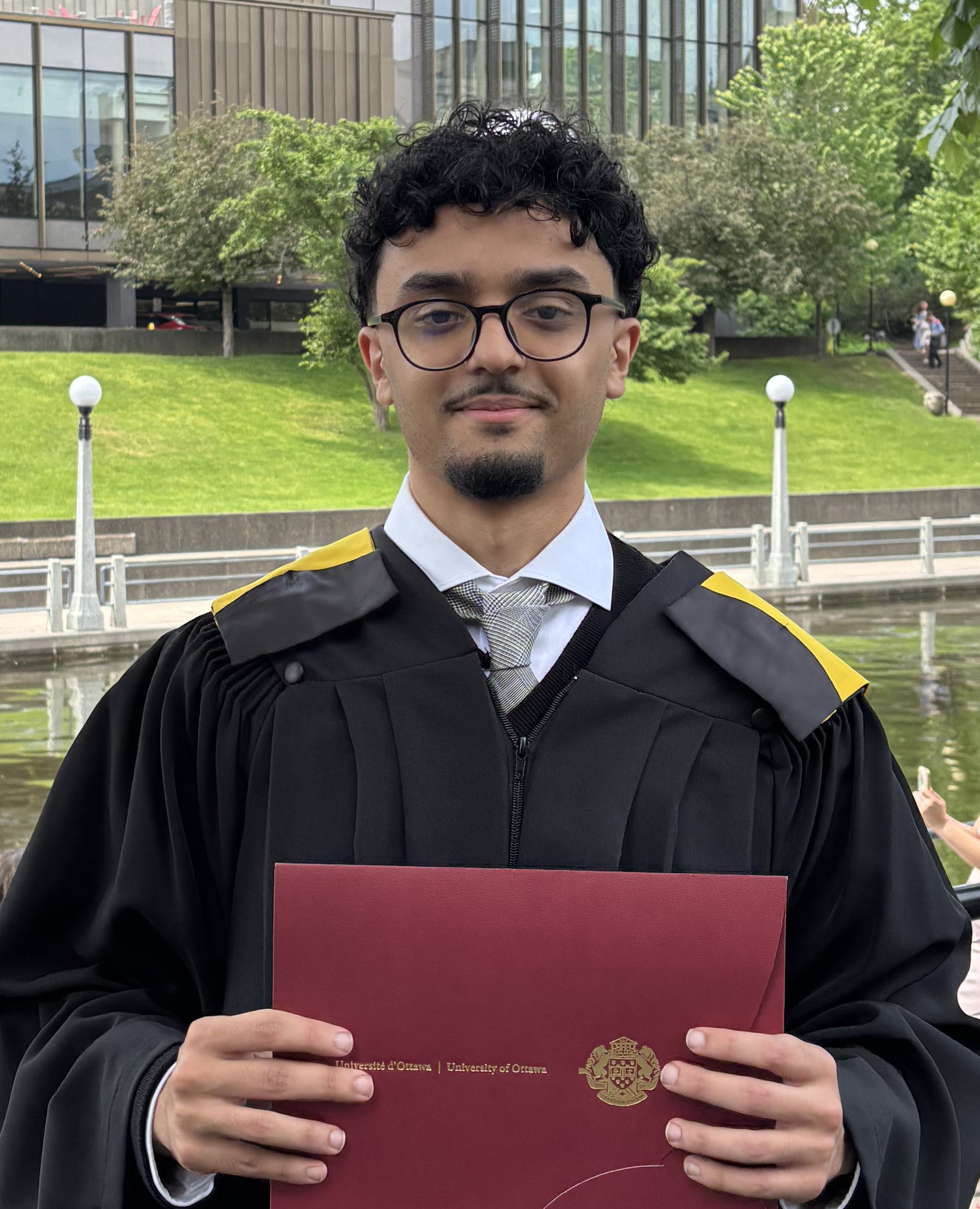
Image generationMultimodal reasoningMitigation

AI safety & evaluation

Models ship at incredible speed; rigorous safety evaluation lags behind. We ask how a model's safety profile shifts after modifications like fine-tuning or RAG, why chatbots grow less safe over long conversations, and how to measure that drift.

We also chase the subtler failures: deception, persuasion, behavioural manipulation. How can we measure and mitigate these types of safety issues?

Fine-tuning effectsLong conversationsDeception & persuasion

Detecting AI-generated content

Clean, well-behaved AI text is easy to flag. But when we fine-tune models on real social media data, the output stops looking like a machine. In our studies, neither commercial detectors nor human readers could tell it apart from genuine posts.

We study where detection holds up, where it quietly fails, and what that means for trust online.

Detector robustnessSocial mediaHuman evaluation

Technical innovations for safe AI

Evaluation is only half the equation: building safe systems takes new methods. We want to open up the black box to understand, steer, and align large language models.

Tools we build and study include model merging, safety-subspace projection, machine unlearning, and reinforcement learning, among others.

Model mergingUnlearningSubspace projectionRL

Language processing in healthcare

When something changes in the brain, it often surfaces in how a person speaks and moves. Those signals are faint and benefit from repeated, detailed analysis, which is where computational methods excel.

Current threads: detecting signs of dementia such as Alzheimer's through speech and eye-movement patterns, predicting migraine onset from language, and understanding long COVID through how people tell stories.

DementiaMigraineLong COVID

Social & cognitive impacts of AI

As AI works its way into daily life, what happens to our social lives, our language, our cognition? And how can its benefits be shared fairly and inclusively rather than concentrated?

We approach these questions through interdisciplinary, participatory research on how NLP technology actually lands in society.

CognitionFair accessParticipatory research
CURRENT STUDENTS

The people behind the work.

Coralie Madison Ostertag

Coralie Madison Ostertag

MSc (DTI)

Coralie's research focuses on developing explainable Natural Language Processing (NLP) techniques to analyze communications data, ensuring computational insights are transparent and robust enough to serve as reliable evidence in investigative and legal contexts.

Ismail Asaklil

Ismail Asaklil

RA

Ismail is a Computer Science and Mathematics graduate studying the reliability of large language models in real-world settings, with a focus on retrieval-augmented generation, prompting, AI-text detection, and safety evaluation.

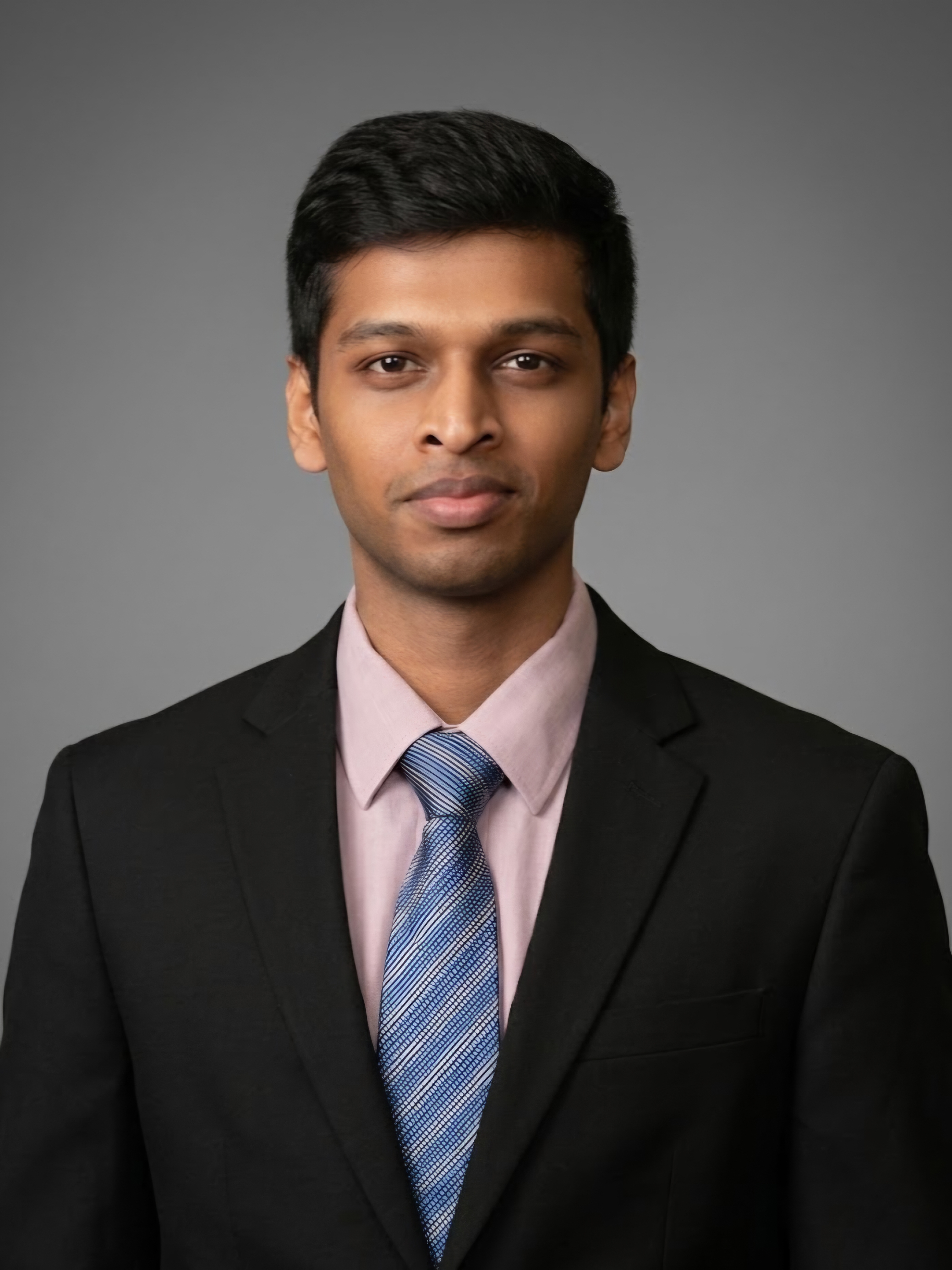
Adithiyan Rajan Indira Saravanan

Adithiyan Rajan Indira Saravanan

MSc (project)

Adithiyan Rajan is a Computer Science graduate currently building AI tools for engineering teams. His research focused on safety evaluation, examining whether retrieval-augmented generation unintentionally compromises the safety guardrails of large language models.

ALUMNI

Where they are now.

Patrick Meyer BSc Hons. Now MSc student at University of Ottawa
Abraham TaboBSc Hons. Now Software engineer at Shopify
Mengzhi WuBSc Hons. Now MSc student at University of Sydney
Yash JainBSc Hons. Now On the job market
Dongshi LiBSc Hons. Now BSc student at University of Ottawa
JOIN THE LAB

Want to work with us?

I'm always looking for thoughtul, highly motivated students who love research and care about how technology affects society.

Undergraduate

Honours thesis supervision and summer research internships for students who want to try research, maybe for the first time.

For honours projects, please email me with your CV, unofficial transcript, and a few sentences about your interests before the start of the term. I usually supervise 2-3 students/groups per term. For summer internships, please contact me by February of the year you would like to work, so we can apply for NSERC funding. Please note the availability of additional funding for student researchers who identify as Black or Indigenous!

Graduate

MSc and PhD supervision for students who want to make responsible AI the centre of their research.

You must first meet the admission requirements for the University of Ottawa. If you are interested in working with me, when you apply please mention my name in your Statement of Interest and write something thoughtful and specific about the work you would like to achieve during graduate school. If your application meets the requirements, it will be sent directly to me by the admissions committee and I will contact a small number of candidates for an interview. It is not necessary to email me in advance. You may do so, especially if you have a specific question, but I unfortunately am not able to respond to all emails. Please be aware of the deadlines for applying (earlier for international students!).

Research is about coming up with new ways of knowing things, new ways of seeing the world. I believe this process is most successful when it involves bringing together people and ideas from many different perspectives and backgrounds. I warmly encourage applications from all individuals, including those belonging to systemically marginalized groups. AI is impacting us all: we should all have a voice in how it gets built.